Different ways of using slime for child development
Slime has been a relatively newly considered material for child’s development. I wonder if people ten years back would even consider providing slime to young children. Slime is actually a chemical substance that exists in the form of solid as well as liquids. It is flowy yet viscous enough to hold itself for long. Slime is easy to make and can be prepared easily at home however, keeping in view its ingredients it must be used in complete supervision and that the child must not put it in the mouth.
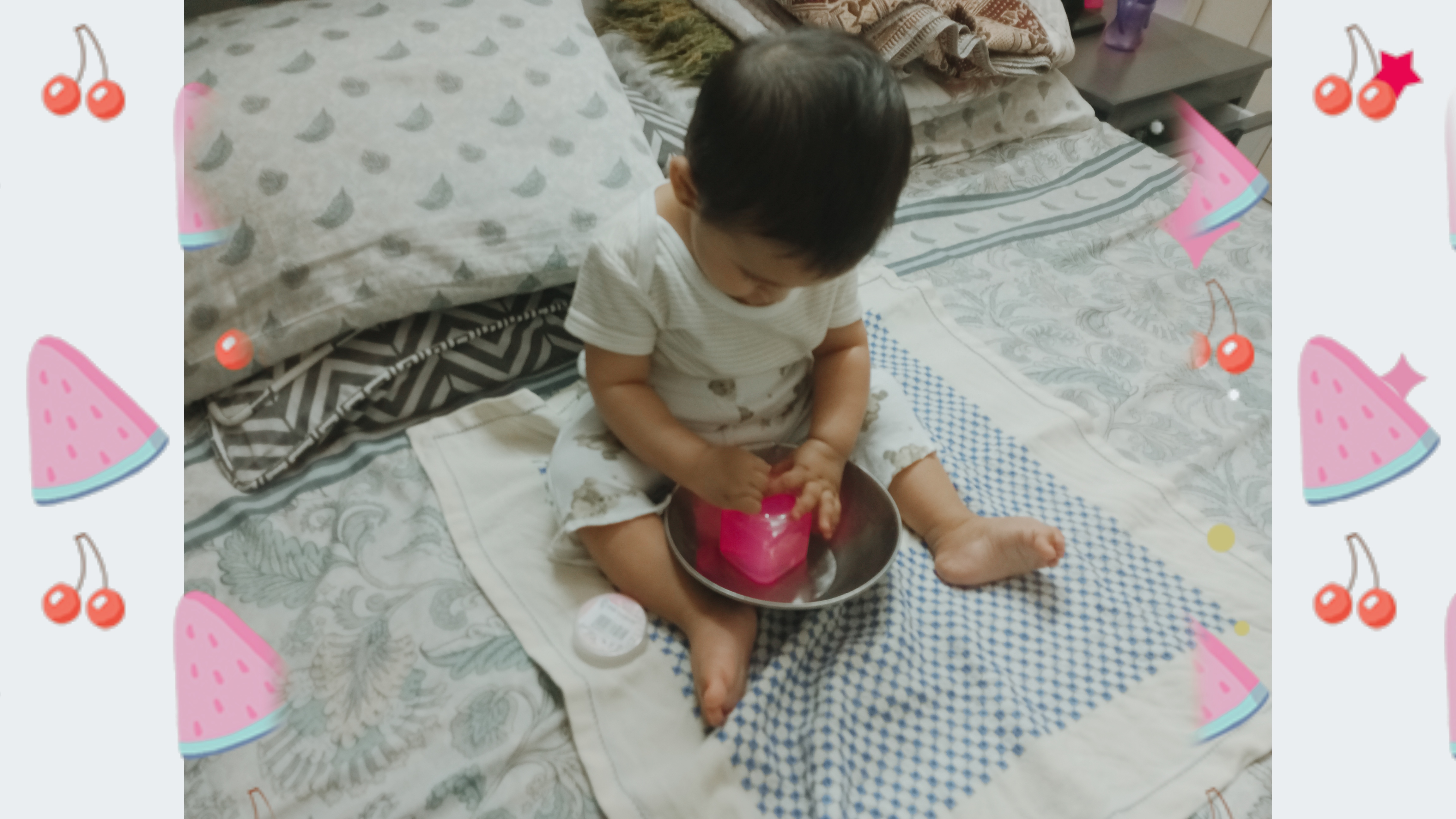
Sensory Development: Slime has a unique texture that seems a little weird at the begining however, as one begins to poke fingers in it and press it to the core, slime brings real excitement. The little sensory receptors on child’s fingers soon begins to feel, accept and fully experience the squishy feeling. You might want to enhance the sensory experience by adding some hard objects in the slime like a keychain, coin etc. Once you provide Slime to the child, give him/ her the time to feel comfortable with it and mold it in whatever way they want. You might find child being a little messy with it, so be prepared to welcome it!
Linguistic Development: Slime has a great power to be manipulated, but a little less than play dough. You can make different objects with slime and name them. I am personally not good at it and would compromise with making a ball with slime. Even, what ever you make you can always use descriptive words to describe that object. For e.g. you can say this is a pink round slime ball or this ball is really small and doesn’t bounce off. Parents can also describe slime itself like its too sticky and squishy. Children would love to learn the language about slime experiences like, Mama is really excited to make a long snake with slime or simply saying that its fun playing with slime. Do not miss to express out the frustrating feelings too (if any).
Fine Motor Development: Fine motor skills are the expertise that child gains in moving the small muscles as present in fingers. How strongly a child grabs an object, to what extent child shows the controlled movements are all included in fine motor skills. These skills improve as the child gets exposure to use these hand muscles. Slime play actually gives a lot of opportunities of fine motor development while squeezing, stretching, rolling and molding slime. These skills later on help in pencil holding and most importantly performing practical life activities such as transferring beans from one bowl to another, holding a glass of water etc
Slime is a tool for sensory, linguistic and fine motor development in young children.
In addition to the given benefits, slime play offers an exclusive bonding time with parents/ guardian which is not only an essential part of socio-emotional regulation in children but also helps in brain development. It is important to understand that slime is just a tool but it can’t serve the purpose untill parents/ guardians are involved in giving meaningful experiences to the child. It is similar to having a car as a tool for transport but it cannot serve the purpose until there is a driver who is skilled at using it.